
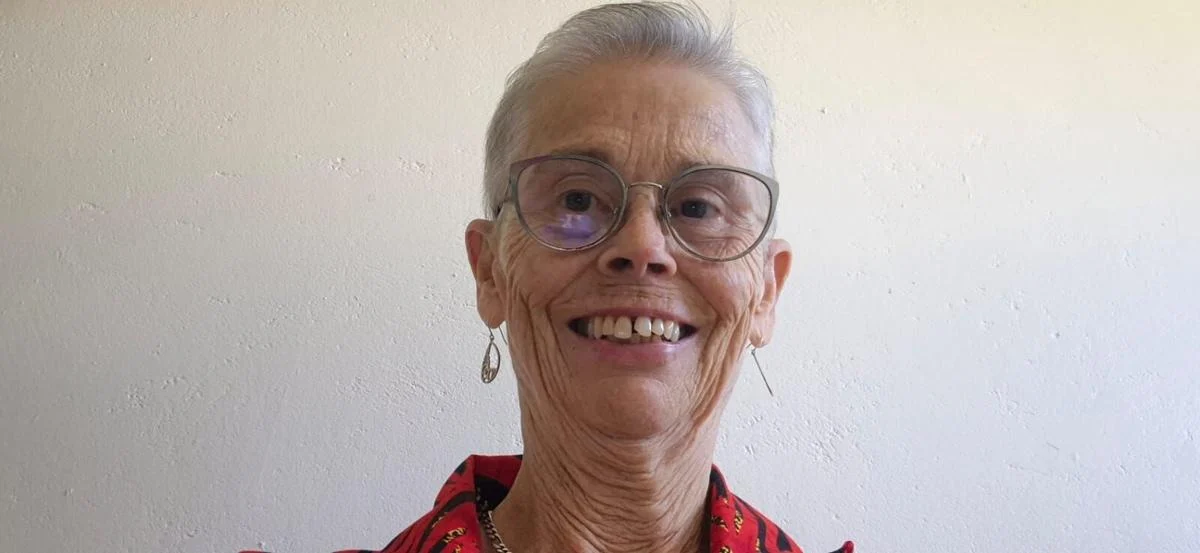
Psychotherapist Sue Harris says unresolved feelings of insecurity, guilt and shame can influence men’s decisions and behaviour, making family support and positive male role models important in helping boys develop healthy self-worth.
Her comments follow Dr Sale Vurobaravu’s warning about men practising silicone injections, which he said could have serious consequences for their lives. The issue has raised broader questions about the factors that may contribute to such behaviour among men in Vanuatu.
Harris, a registered psychotherapist with a Master of Arts degree, said some men struggled with feelings of inadequacy and self-blame, even when they worked hard and tried to meet expectations.
She said these feelings could influence their decisions, particularly if they had grown up without emotional support, encouragement or a strong sense of belonging.
In more than three years of practice, Harris said she had seen men open up about their struggles and become emotional while sharing experiences that had deeply affected them.
She explained that guilt and shame could lead men to believe they were not good enough, potentially influencing decisions that could harm their lives.
Harris identified family separation and divorce as factors that could affect a child’s development and influence decisions later in life.
She said children who grew up without feeling loved, praised or supported could struggle with their self-worth as adults.
Harris said positive male role models were particularly important for boys, especially when their fathers were absent.
Joining a football team, participating in gardening or spending time with a trusted male figure could help boys build positive relationships and receive guidance as they grew up.
“Boys need positive male figures in their lives,” she said, explaining that while women did their best to support children, positive male involvement also played an important role in boys’ development.
Harris said some men continued to feel inadequate despite being hardworking because they believed they were failing to meet the standards expected of them.
She said providing children with a safe home where they could express themselves freely and receive encouragement was fundamental to helping them make healthier decisions in the future.
Harris said therapy could help men address unresolved emotional struggles, but the process should not focus solely on the individual experiencing trauma or stress.
Families also needed to examine their relationships, behaviour and home environments to support lasting change, she said.
She said addressing harmful behaviour required a broader change in family systems rather than expecting individuals to overcome the effects of their experiences alone.
Harris provides clinical supervision to counsellors, support workers and community workers, as well as employee assistance counselling for non-government organisations, businesses and community organisations.
Her comments point to the importance of addressing emotional struggles and family circumstances while encouraging men to seek support and families to provide healthier environments for children.
SOURCE: VANUATU DAILY POST


