
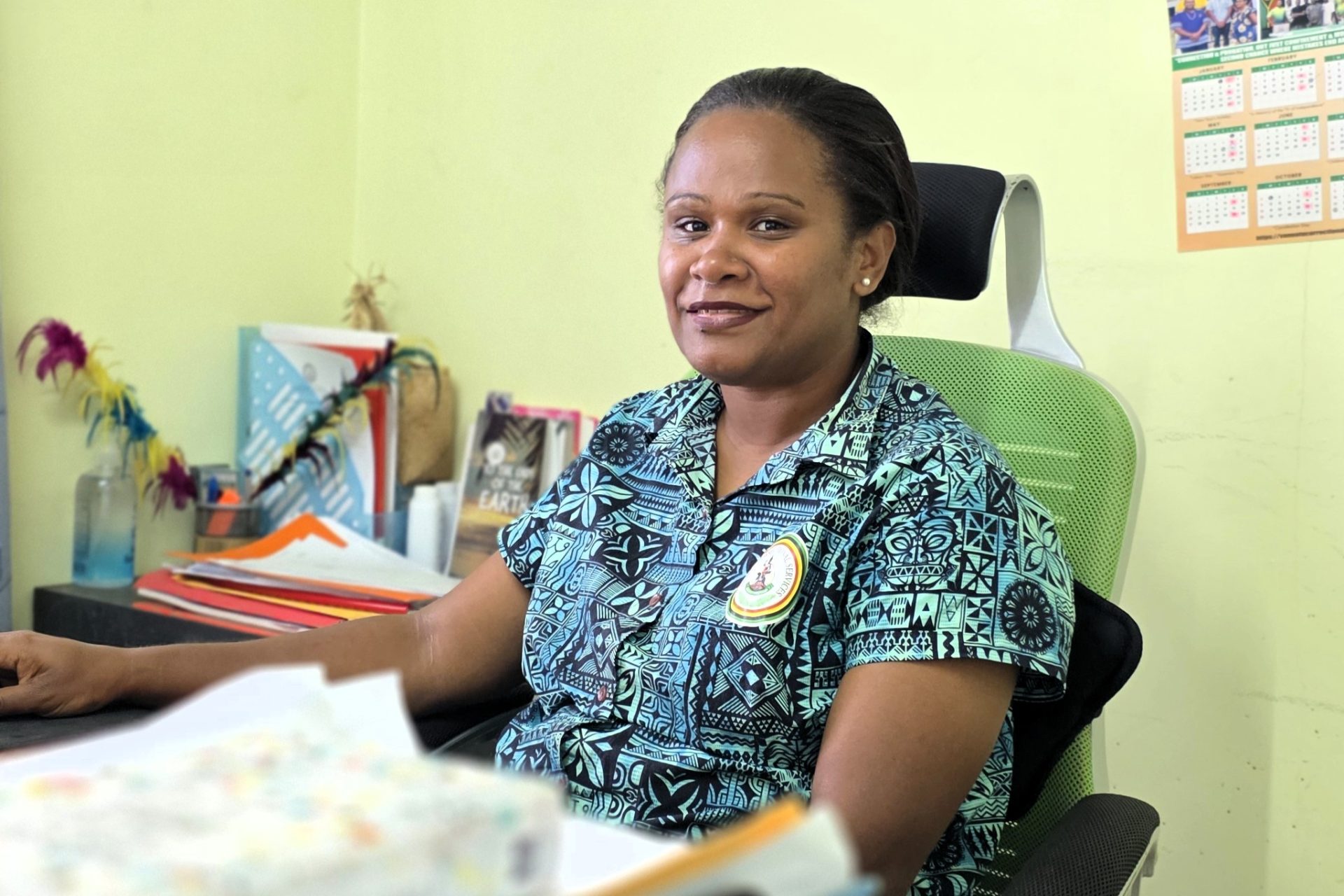
Every day, Acting Senior Probation Officer Precilla Wells walks a difficult line between justice and compassion. Based within the Department of Correctional Services, she supervises offenders in the community, prepares reports for the courts, and works indirectly with children who have been victims of crime.
But behind the files and court reports lies a disturbing reality that she says Vanuatu can no longer ignore.
“The highest rate of offences we continue to see are sexual offences, and the victims are mainly children, especially girls between the ages of three and 15 years old,” Precilla said. “Little girls are very vulnerable and at high risk, so we really need to make sure they are in a protective home and a protective community.”
For nearly two decades, sexual offences have remained among the most common crimes handled through the justice system. Cases include rape and other forms of sexual violence against children. Precilla says many victims are abused by people they know and trust, including close relatives.
“A lot of times, young girls are threatened not to disclose the abuse, and the cycle continues,” she explained.
As both a Probation Officer and a parent, Precilla says the crisis weighs heavily on her. She encourages families to talk openly with children, monitor changes in behaviour, and educate them about personal safety.
“Education is one way to protect girls, but parents, families and communities all share that responsibility,” she said.
Yet protecting children is only part of the challenge. Helping them heal is often far more difficult.
“The emotional damage is severe,” Precilla said. “To heal that emotional damage is very difficult.”
She points to major gaps in the current system: the law provides processes for dealing with perpetrators, but does not place clear responsibilities to support victims. While perpetrators can access some support services, children who have experienced abuse often face the aftermath alone, with limited access to specialised services. Many are forced to leave their homes after reporting abuse, disrupting their education and leaving them vulnerable to further hardship.
“There is no clear referral pathway, and there is a need for stronger legal support, psychosocial support services and support for children’s future livelihoods,” she said.
Without these services, the effects of abuse can follow victims into adulthood, affecting relationships, family life, education and employment.
This is why Precilla believes the proposed Child Protection Bill is urgently needed. The legislation would strengthen protections for children, empower child protection officers, improve referral systems, and help ensure children receive the support they need to recover and rebuild their lives.
“The Bill is important because children need protection, but they also need support to heal and build a future,” she said.
According to the latest Vanuatu Second National Survey on Women’s Lives and Family Relationships, published in 2024, 30 per cent of women experienced some form of sexual abuse before the age of 15. The survey reveals that child sexual abuse remains widely under-reported because reporting is discouraged in many communities and the law frequently fails to protect survivors – children being sent away, pressured into custom reconciliation, or left without family support after reporting abuse.
Precilla is calling on leaders, parents, churches and communities across Vanuatu to unite behind stronger child protection measures.
“Parents, families and communities must work together to take care of our children. Protecting them means protecting Vanuatu’s future.”
Despite the challenges, Precilla remains hopeful.
“If we work together and continue educating people, we can improve the situation for our children,” she said. “By opening people’s eyes and staying vigilant, we can prevent abuse.”
As reports of sexual offences continue to rise alongside alcohol and drug related crime, according to the Offender Census, her message is clear: Vanuatu cannot afford to wait. The safety of its children – and the future of the nation – depends on action now.


