
A new national Labour Force Survey has revealed a concerning picture for Vanuatu’s youth, with 44 per cent of ni-Vanuatu aged between 15 and 24 not in employment, education or training.
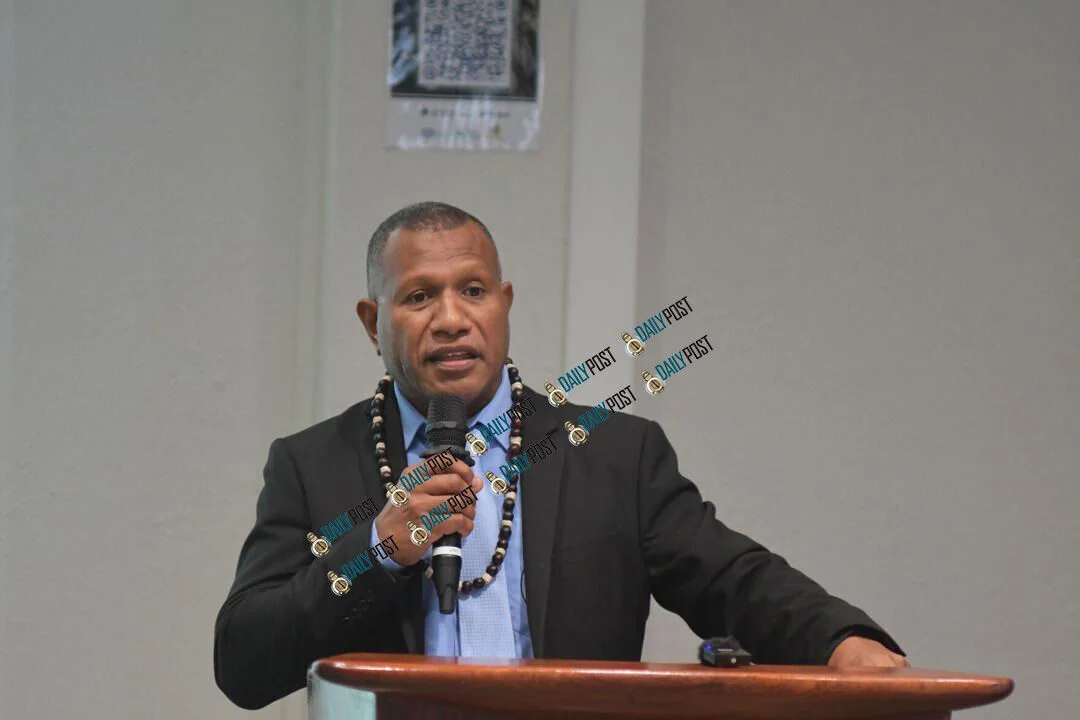
The findings were presented during the official launch of the first Vanuatu Labour Force Survey in Port Vila on April 29, highlighting what officials described as one of the most urgent development challenges facing the country.
Director General (DG) of the Ministry of Internal Affairs (MoIA), Leith Veremaito, said the data shows the issue is not about young people being unwilling to work, but rather the lack of structured pathways linking education to employment opportunities.
He said many young people, particularly in rural areas, are leaving school without access to further training or clear entry points into the labour market, leaving them vulnerable to long term unemployment and inactivity.
According to the survey, the challenge is closely linked to structural weaknesses in the economy and education system, with opportunities heavily concentrated in urban centres while rural areas continue to rely on subsistence and informal work.
The Vanuatu Bureau of Statistics (VBoS) and the Department of Labour (DoL), who jointly led the survey with support from the International Labour Organisation, the Pacific Community, Australia and New Zealand, said the findings provide the first comprehensive picture of the country’s labour market.
Officials noted that while the national unemployment rate stands at 4.5 per cent, the broader reality of underemployment and inactivity tells a very different story, particularly for young people.
The survey shows that nearly one in four working age ni-Vanuatu is not fully utilised in the labour market when including those working fewer hours than they want and those who have stopped seeking work entirely.
The youth findings have raised concern among policymakers, who say urgent reforms are needed to strengthen skills training, expand apprenticeships, and better align education outcomes with labour market demand.
DG Veremaito said the National Employment Policy will play a key role in addressing these challenges through practical programmes aimed at linking young people directly to work opportunities and reducing the gap between school and employment.
He added that without targeted intervention, a significant portion of a generation risks remaining on the margins of the economy, limiting both national productivity and long term development.
The survey is expected to guide government planning and budgeting across key sectors, with officials calling for stronger coordination between ministries, education providers and the private sector to respond to the findings.
The report marks the first time Vanuatu has produced such comprehensive labour market data, and officials say it will now form the basis for ongoing monitoring of employment trends across the country.
SOURCE: VANUATU DAILY POST


